Quick Overview: What NAD+ Injections Are and Who This Guide Is For
This article covers prescription-only, at-home, subcutaneous NAD+ injections-the specific format prescribed through Provn RX’s telehealth platform. This is not a general overview of IV drips, supplement capsules, or clinic-based infusions. Every reference to “our program” or “our treatment” in this article means compounded subcutaneous NAD+ injections, self administered at home after an online physician consultation. Provn RX does not offer iv therapy, oral supplements, or any other NAD+ delivery format.
NAD+ stands for nicotinamide adenine dinucleotide, a vital coenzyme involved in cellular energy production, cellular repair, and healthy aging. Interest in nad therapy has grown steadily since around 2015 in longevity and wellness circles, and NAD+ injections are commonly marketed for anti aging and energy enhancement. This guide is written for health-conscious adults ages 35–60 exploring NAD+ injections to support energy levels, mental clarity, and general well being-not to treat any specific disease.
Important disclaimer: Compounded NAD+ injections are not FDA-approved, are not reviewed by the FDA for safety or effectiveness, and statements in this article have not been evaluated by the FDA. NAD+ injections are not FDA-approved for specific medical treatments.
What Is NAD+ and Why Does It Matter?
Nicotinamide adenine dinucleotide nad is a coenzyme present in virtually every one of the trillions of living cells in the human body. Its primary job is straightforward: help convert food into usable energy. Specifically, NAD+ acts as an electron carrier in mitochondrial function-the process by which your mitochondria “burn” glucose and fatty acids to produce ATP, the molecule your cells actually use as fuel. Without adequate NAD+, this energy metabolism slows down, and your body’s capacity for both physical and cognitive performance drops.
Think of NAD+ as the connector between a battery and a device. The battery (the food you eat) holds plenty of stored energy, but without the connector (NAD+), that energy never reaches the device (your cells). NAD+ is essential for converting food into usable cellular energy in the form of ATP.
Beyond energy production, NAD+ serves as a substrate for several important enzyme families:
PARPs – enzymes that detect and facilitate dna repair, maintaining the integrity of your genetic code under daily oxidative stress
Sirtuins – NAD-dependent enzymes that regulate gene expression, metabolic control, inflammation, and stress responses throughout the body
CD38 – an enzyme involved in immune and calcium signaling that also consumes NAD+ in the process
NAD+ supports DNA repair and cellular health, helps regulate stress responses in the body, and can support metabolic processes and weight management. These roles position NAD+ at the intersection of cell metabolism, cell repair, and the metabolic reactions that keep tissues functioning under pressure.
While the basic science on NAD+ biology is strong, clinical evidence linking specific wellness outcomes to NAD+ injections in humans is still developing. The mechanistic rationale is plausible and well-supported by cellular and animal research, but large-scale human trials remain limited.
Why NAD+ Levels Decline With Age
Multiple studies since the early 2000s suggest that NAD+ levels tend to fall with chronological aging. In animal models, the evidence is substantial: animal studies consistently show NAD+ levels declining in skeletal muscle, liver, and brain tissue over the lifespan. Human tissue data is more limited, but multiple studies point in the same direction: NAD+ availability appears to drop meaningfully with age, though exact figures vary across studies and tissue types. Natural decline in NAD+ levels contributes to aging at the cellular level, and NAD+ levels decline with age and chronic stress.
The biological drivers behind this drop include:
Increased consumption – repair enzymes like PARPs and CD38 consume more NAD+ as genomic damage and chronic low-grade inflammation (“inflammaging”) accumulate in the aging cell
Decreased synthesis – the activity of NAMPT, a rate-limiting enzyme in NAD+ production, appears to decline in some tissues over time
Mitochondrial wear – ongoing metabolic stress reduces the efficiency of NAD+ retention within mitochondria
Lifestyle factors may accelerate the process. Poor sleep, high-sugar diets, sedentary behavior, chronic psychological stress, heavy alcohol use, and environmental toxin exposure (pollution, smoking) are all associated with increased NAD+ demand or reduced synthesis. These are the same factors most people already recognize as draining their energy.
Lower NAD+ availability is often connected to familiar experiences: reduced daytime energy, slower workout recovery, more noticeable brain fog, and longer bounce-back after travel or illness. These aren’t diseases-they’re patterns many adults notice in their 40s and 50s.
Foundational habits like consistent sleep, regular exercise, and balanced nutrition remain the first-line support for healthy NAD+ metabolism. NAD+ injections are best understood as an adjunctive wellness strategy layered on top of those basics, not a replacement.
What NAD+ Injection Therapy Is and How It Works (Subcutaneous Delivery)
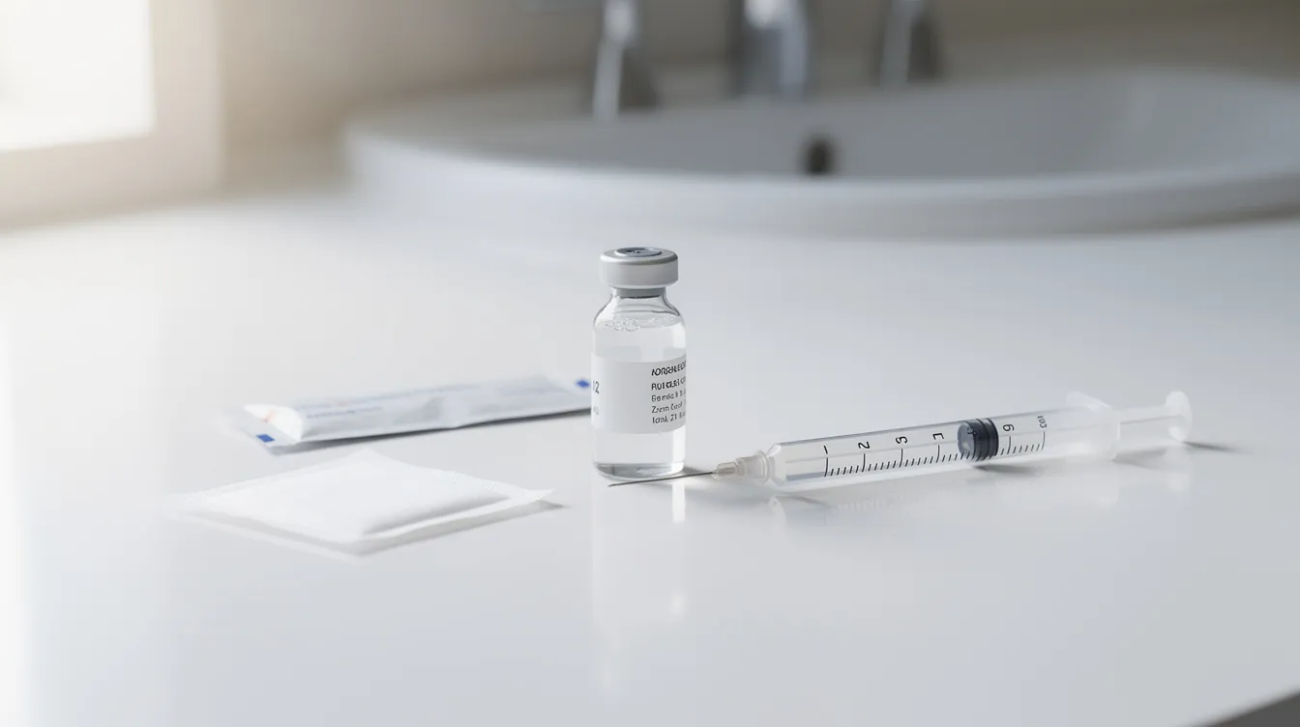
NAD+ injection therapy, in this context, means a prescription compounded NAD+ solution designed for subcutaneous injections into the fatty layer under the skin. The technique is similar to insulin or GLP-1 self-injection: a small-gauge needle, shallow depth, and common sites like the abdomen or outer thigh. NAD+ can be administered via IV, IM, or SC injections, but the subcutaneous format is what Provn RX prescribes for at-home use.
After a subcutaneous injection, the NAD+ solution forms a small depot in subcutaneous tissue, where it absorbs gradually into the bloodstream over hours. NAD+ injections deliver the coenzyme directly into the bloodstream or muscle tissue, where it participates in the body’s existing NAD+ pathways-energy production, cellular repair, and metabolic reactions. SC injections allow for a slower, sustained release of NAD+ compared to intravenous delivery, which some clinicians view as preferable for consistent, maintenance-level dosing.
NAD+ injections can be given intramuscularly or subcutaneously. Dosing is individualized and determined by your prescribing clinician based on your health profile and treatment goals. A typical course starts with more frequent injections, potentially tapering to a maintenance schedule over time, with clinicians adjusting based on individual response.
Because this is a compounded medication, the formula and concentration are prepared by specialized pharmacies-licensed compounding pharmacies operating under state and federal oversight-to a physician’s specific order. NAD+ injections must be prepared in sterile conditions to ensure safety. Compounded medications are not FDA-approved or reviewed for safety or effectiveness.
Patients receive instruction on safe self-injection technique, needle disposal, and how to rotate sites to minimize local skin irritation. The vials typically require refrigeration and should be checked for clarity before each use.
Why Some Patients Choose At-Home NAD+ Injections Over IV Clinic Visits
Many people first encounter NAD+ through wellness clinics offering IV infusion sessions. IV injections provide the fastest absorption of NAD+, delivering a high concentration directly into the bloodstream. However, a typical iv infusion session lasts 1–4 hours, requires an in-person appointment, and often involves recurring clinic visits-which isn’t practical for everyone.
Subcutaneous injections, by contrast, take a few minutes at home after initial training and medical clearance. For adults juggling demanding work schedules, family responsibilities, or frequent travel, the convenience factor is significant: flexibility to inject on evenings, weekends, or between meetings without clinic appointments or waiting rooms.
IM injections offer rapid absorption and are quick to administer, but intramuscular injections are typically performed by healthcare professionals in a clinical setting. SC injections are easier to self-administer than IM injections, which is one practical reason the subcutaneous format works well for at-home use.
Telehealth physician oversight provides structure without requiring in-person visits: online evaluation, a prescription tailored to the individual, ongoing messaging or follow-ups, and guidance on when to adjust or pause.
Regarding relative bioavailability between IV and subcutaneous routes, expert opinions differ and clinical sources disagree on precise percentages. Route selection typically reflects lifestyle, comfort with self-injection, and clinical judgment rather than a single universally “best” method. Some individuals may still prefer in-person IV care for their own reasons-and that’s a valid choice. Provn RX does not offer or compete in the IV space.
NAD+ Injections vs. Oral Supplements and NAD+ “Boosters”
When people search for NAD+ therapies, they often encounter oral supplements marketed as NAD+ “boosters”: products containing niacin, NR (nicotinamide riboside), or NMN (nicotinamide mononucleotide) in capsule or powder form. These precursors travel through the digestive system and liver before contributing to the body’s NAD+ pool-a process called first-pass metabolism that can reduce how much active compound ultimately reaches target tissues.
Research on oral precursors is ongoing and sometimes mixed. Some clinical studies show dose-dependent increases in blood NAD+ from oral NR or NMN, but whether those increases translate to meaningful tissue-level changes or functional outcomes in humans remains an open question. Many reported benefits of NAD+ injections are based on anecdotal evidence or animal studies, and the same limitation applies to oral precursors.
Prescription-grade compounded NAD+ injections differ from retail oral supplements in several ways:
-
Standardized concentration per milliliter, verified by potency testing
-
Sterility requirements specific to injectable products, not applicable to capsules
-
Physician oversight with structured monitoring of side effects and response
-
Known dose delivered with each subcutaneous injection, because injections bypass the digestive system entirely
NAD+ injections are often more expensive than oral supplements, and neither format is FDA-approved for specific therapeutic claims. The retail supplement market is regulated under dietary supplement rules, which carry different-generally lighter-manufacturing and evidence requirements than compounded pharmaceuticals.
Injections are one tool among several. Some individuals try them after lifestyle changes and supplements haven’t produced the results they want. Others prefer to stay with oral options. The responsible approach is discussing choices with a licensed healthcare provider rather than layering multiple NAD-related products without professional guidance.
What to Expect: Consultation, Dosing, Timeline, and Storage
Consultation: The process begins with an online intake form covering your full medical history, current medications, supplements, and wellness goals. A licensed US clinician reviews this information and meets with you virtually to determine whether NAD+ injections are appropriate. NAD+ injections should be administered by trained healthcare professionals, and the prescribing clinician provides individualized guidance.
Dosing: Your clinician creates a dosing plan that typically starts conservative, allowing the body to adjust. Typical NAD+ injection sessions range from 4 to 8 weekly treatments initially, with frequency potentially tapering based on your response. The goal is incremental improvement, not an overnight transformation. Patients should be hydrated before receiving NAD+ injections-adequate water intake supports absorption and reduces the likelihood of flushing or mild headache.
Timeline: Some adults report shifts in energy or mental clarity within days to a few weeks, while others notice more subtle, gradual differences. Responses vary considerably, and no specific outcome is guaranteed. Many individuals experience the clearest sense of change after several weeks of consistent use.
Storage and handling:
-
Refrigerate compounded NAD+ vials as directed; avoid heat and direct light
-
Check expiration dates and never use discolored or cloudy solutions
-
Some pharmacies supply NAD+ as a freeze dried or sterile powder to be reconstituted with a sterile diluent such as bacteriostatic water before injection
-
Allow the solution to reach room temperature if recommended before injecting
Injection routine basics:
-
Clean the injection site with an alcohol swab
-
Rotate between approved sites (abdomen, thigh) to reduce local reactions
-
Dispose of needles in a dedicated sharps container following local regulations
-
Follow the specific instructions from your prescribing clinician and product label-this article is not a substitute for those directions
Who Might Consider NAD+ Injection Therapy?
NAD+ injection therapy is generally explored by adults with wellness-oriented goals rather than acute medical needs. Common profiles include:
-
Professionals in their 40s–50s managing demanding workloads who want to support steady daytime energy and mental clarity
-
Individuals already prioritizing sleep, exercise, and nutrition who are looking for an additional tool in their wellness routine
-
People interested in longevity, biohacking, or cellular-level health optimization as part of a long-term strategy
NAD+ injections may enhance energy production and mental clarity, and some patients report they feel more energy, reduced afternoon slumps, and clearer thinking during demanding periods. Patients often report improved cognitive function after nad therapy, and some note that NAD+ injections can improve skin hydration and tone over weeks of consistent use. NAD+ injections can enhance energy levels significantly for certain individuals experience, though results are highly individual.
NAD+ injections are not intended to diagnose, treat, cure, or prevent any disease. Individuals with significant medical symptoms-chronic fatigue that doesn’t improve with basic interventions, cognitive changes, unexplained weight loss-should seek in-person medical evaluation rather than relying on wellness injections.
Readers with complex histories (multiple medications, prior cancer, major cardiovascular events, metabolic disorders) may require closer medical supervision. The telehealth clinician may determine that NAD+ is not an appropriate fit.
Safety, Side Effects, and Who Should Not Use NAD+ Injections
NAD+ is naturally present in the human body, but injecting concentrated solutions introduces different considerations than dietary intake. Therapy should only be used under medical supervision with proper safety protocols in place.
Common, generally mild side effects:
Common side effects include nausea and headaches. Injection site reactions may include soreness or redness. Reported side effects may also include flushing and dizziness, typically lasting minutes to a few hours as the body adjusts to the dose. In pilot studies of injectable NAD+ precursors, some participants reported brief injection-site pain and mild muscle soreness, generally classified as transient. A mild headache shortly after injection is among the most common reactions reported.
Less common but more serious concerns:
Allergic reactions are rare but possible with NAD+ injections-signs include rash, itching, swelling, or difficulty breathing, and require immediate medical treatment. High doses of NAD+ may stress the kidneys in rare cases, particularly in individuals with pre-existing renal compromise. Significant or persistent headaches, chest discomfort, or unusual fatigue warrant prompt contact with your clinician.
Product quality matters:
The FDA has specifically warned that using food-grade NAD+ ingredients for injectable formulations poses contamination risks, including endotoxin exposure that has been linked to severe chills, vomiting, and fatigue requiring medical treatment. Only pharmacy-dispensed medication prepared under sterile conditions should be used.
Who should generally avoid NAD+ injections:
-
Pregnant or breastfeeding women (no safety data available)
-
People with severe liver or significant kidney disease
-
Those with known allergy to any component of the formulation
-
Individuals on complex regimens of high-risk medications without explicit clinician clearance
Long-term safety of NAD+ injections is not well established. Research into NAD+ injections and their benefits is ongoing and still developing. Adverse events should be reported to the prescribing clinician promptly. Compounded NAD+ injections are not FDA-approved and are not reviewed by the FDA for safety or effectiveness.
How NAD+ Injections May Support Energy, Mental Clarity, and Healthy Aging
The potential benefits of NAD+ injections trace back to the coenzyme’s central role in cell function. By participating in mitochondrial energy pathways, NAD+ may help support more stable energy levels across the day in some individuals. When cells have sufficient NAD+ to drive efficient ATP production, the downstream effect-at least theoretically-is that tissues from muscle to brain have the cellular energy they need to perform.
For mental clarity specifically, NAD+ involvement in brain cell metabolism may contribute to the improvements in focus or reduced “brain fog” that some users describe. However, cognitive function improvements from NAD+ injections are currently inconclusive in controlled research settings. The reports are promising but largely anecdotal or drawn from small, uncontrolled observations.
NAD+ is also involved in cell repair processes: maintaining DNA integrity through PARP activity, activating sirtuins that regulate cellular stress response, and supporting the resilience of the aging cell against accumulated damage. This is commonly framed as “supporting healthy aging” at the cellular level-not reversing aging or treating age-related disease.
Most robust mechanistic work still comes from cellular and animal studies. Encourage yourself to track subjective markers if you start therapy-energy ratings, sleep quality, focus during work, exercise recovery-in a journal or app. Structured self-tracking gives you and your clinician real data to evaluate whether the therapy is producing meaningful changes for you personally.
Practical Considerations: Injection Sites, Technique Comfort, and Daily Life
Typical subcutaneous injection sites include the abdomen (at least two inches from the navel), the outer thigh, and the back of the upper arm when someone else can assist. Rotating injection sites matters-using the same spot repeatedly increases the risk of local irritation, small nodules, or inconsistent absorption.
Most patients are initially apprehensive about needles. That’s normal. Many people become comfortable after a few guided sessions, especially with clear written and video instructions from the prescribing team. The needles used for sc injections are small-gauge and short, similar to those used for insulin.
Fitting injections into daily routines helps with adherence:
Choose a consistent time-morning or evening, depending on how the dose affects you
Pair it with an existing habit (after brushing teeth, before your morning coffee)
Set a phone reminder until the routine feels automatic
Simple comfort strategies include allowing the solution to warm to room temperature if your pharmacy recommends it, injecting slowly, keeping the muscle relaxed, and applying a cool compress if mild soreness appears at the injection site.
Never share vials or needles, never reuse needles, and follow state or local rules for sharps disposal using a dedicated sharps container rather than household trash. Medical professionals can provide guidance on disposal regulations in your area.
Frequently Asked Questions About NAD+ Injections
How long does it take to feel effects from NAD+ injections?
Some individuals experience shifts in energy or mental clarity within the first week or two, while others notice more gradual changes over 4–8 weeks. Responses vary based on baseline NAD+ status, lifestyle, and individual biology. There is no universally guaranteed timeline.
How often do people typically inject NAD+?
Dosing frequency is clinician-directed and generally recommended to start at several times per week, tapering to a maintenance schedule based on individual response. Typical initial courses range from 4 to 8 weekly treatments before reassessment.
Can I use NAD+ injections alongside other wellness therapies?
Possibly, but layering multiple NAD-boosting agents (injections plus high-dose oral NMN, for example) without professional guidance can increase the risk of excess or unexpected interactions. Discuss all supplements and therapies with your prescribing clinician.
Are NAD+ injections safe long-term?
Long-term safety data beyond short-term pilot studies are limited. Available research shows acceptable tolerability over those shorter windows, but multi-year data in general wellness populations do not yet exist. Ongoing monitoring with your clinician is essential.
What’s the difference between NAD+, NMN, and NR?
NMN and NR are precursors-compounds your body converts into NAD+ through enzymatic steps. NAD+ injections deliver the finished coenzyme directly. Each has a different absorption profile, evidence base, and cost structure. NAD+ therapy costs can add up significantly over time, and costs vary widely between clinics offering NAD+ therapy. Patients should compare prices before choosing a NAD+ provider-Provn RX lists current plans and pricing on the product page.
What should I do if I miss a dose?
Follow the specific plan set by your prescribing clinician. In general, skipping a single dose is unlikely to be harmful, but consistent adherence supports the best chance of noticing meaningful changes.
Compounded Medication Basics and Regulatory Context
A compounding pharmacy is a licensed facility that prepares customized medications pursuant to a physician’s prescription. For NAD+ injections, this means mixing a sterile injectable solution from bulk drug-grade NAD+ ingredients, testing for potency and sterility, and dispensing it directly to the patient. Compounding pharmacies operate under state pharmacy board oversight and, in some cases, federal regulation (503A and 503B designations).
Compounded products are distinct from FDA-approved drugs. They are not individually reviewed by the FDA for safety or effectiveness before dispensing. This is standard practice across many compounded therapies in US healthcare-not unique to NAD+.
The FDA has issued communications highlighting the need for appropriate, sterile-grade NAD+ ingredients for injectable use. Specifically, the agency has warned against using food- or supplement-grade NAD+ material for compounded injections due to the risk of endotoxin and microbial contamination. Adverse event reports linked to improperly sourced ingredients have included severe systemic reactions.
When evaluating any provider of compounded NAD+ injections, patients should ask:
Does the pharmacy hold 503A or 503B licensure?
Are USP <797> sterile compounding standards followed?
Is the bulk NAD+ ingredient drug-grade (not food or supplement grade)?
Are sterility and potency testing results available?
What process exists for reporting adverse events?
Provn RX uses compounded NAD+ injections prepared by licensed compounding pharmacies. These medications, and the statements in this article, have not been evaluated by the FDA. This is standard regulatory context for compounded therapies-not a red flag, but information every patient should understand.
Next Steps: Deciding Whether to Try NAD+ Injections
NAD+ is a vital coenzyme that supports cellular energy, dna repair, and metabolic resilience. Subcutaneous NAD+ injections offer a convenient, physician-supervised way to deliver NAD+ directly-bypassing the digestive system-as part of a broader health strategy that includes sleep, movement, nutrition, and stress management.
The evidence base is promising but still developing. Realistic expectations, consistent follow-through, and open communication with your clinician are what separate a thoughtful wellness intervention from wishful thinking.
Before any consultation, gather your full list of medications, supplements, and major health events so your clinician can assess interactions and your overall risk profile. Come with specific goals-whether that’s steadier energy, sharper focus, or simply investing in long-term cellular health.
If you’d like to explore whether prescription NAD+ injection therapy fits your goals, you can start an online consultation at Provn RX to speak with a licensed clinician. NAD+ injections are a wellness-oriented, compounded therapy-not an FDA-approved treatment for any condition-and work best as one part of a deliberate, long-term approach to your health.