If you’ve been reading about growth hormone optimization and wondering what’s real, what’s overhyped, and what actually involves a prescription and medical supervision, this guide is for you. Below is a thorough, evidence-grounded walkthrough of sermorelin injections – what they are, how they work, what day-to-day therapy looks like, and what the current evidence does and does not support.
Overview: What Sermorelin Injections Are and Who They’re For
Sermorelin acetate is a synthetic peptide – specifically, a 29-amino-acid analog of growth hormone releasing hormone (GHRH). Rather than putting human growth hormone (HGH) directly into your bloodstream, sermorelin signals the pituitary gland to release growth hormone on its own. That distinction matters. It means the therapy works at the signal level of the growth hormone axis – the chain that runs from hypothalamus to pituitary gland to liver – rather than bypassing that system entirely.
Provn RX offers compounded sermorelin injections as its sole peptide therapy product. We do not prescribe direct HGH injections, other growth hormone secretagogue peptides like Ipamorelin or CJC-1295, or any non-injectable format. Every prescription is written by a licensed US clinician after a telehealth consultation and filled through a partner compounding pharmacy.
The adults researching this therapy are typically between 35 and 60 and interested in specific wellness goals: sleep quality, next-day energy, exercise recovery, body composition support, and healthy aging. This article is written for that audience – not for parents of children with diagnosed growth disorders or adults with confirmed growth hormone deficiency, which are separate endocrine conditions managed under different clinical standards.
One important note upfront: compounded sermorelin is not an FDA-approved product. It is not reviewed by the FDA for safety or effectiveness, and the statements in this article have not been evaluated by the FDA.
What Is Sermorelin and How Does It Work?
Sermorelin acetate is a naturally occurring substance in a structural sense – it replicates the first 29 amino acids of the 44-amino-acid growth hormone releasing hormone (GHRH) your hypothalamus already produces. That fragment retains full receptor-binding activity, meaning sermorelin works the same way the body’s native signal does.
Here is the step-by-step mechanism:
-
Your hypothalamus normally releases GHRH to tell the pituitary to produce growth hormone.
-
Sermorelin mimics that GHRH signal from the hypothalamus, binding to GHRH receptors on somatotroph cells in the anterior pituitary.
-
Receptor binding activates intracellular signaling (Gs protein → adenylate cyclase → cAMP → protein kinase A), which triggers both GH gene transcription and the release of stored GH granules.
-
The pituitary releases growth hormone in pulses into the bloodstream – sermorelin promotes pulsatile GH secretion rather than a sustained flood.
-
GH then stimulates the liver and other tissues to produce insulin-like growth factor 1 (IGF-1), which drives many downstream effects related to tissue repair, protein synthesis, and body composition.
Sermorelin does not supply growth hormone itself. Sermorelin stimulates natural GH production from the pituitary gland, and because the pituitary’s own feedback loop stays intact, somatostatin (the “brake” on GH release) and IGF-1 continue to regulate output. This preserves the body’s natural feedback loop for GH release.
Sermorelin’s plasma half-life is very short – on the order of several minutes – which creates a brief “push” on the pituitary. The downstream GH elevation, however, persists for approximately one to three hours – which is why injections are typically timed around the body’s nighttime GH pulse.
The FDA originally approved sermorelin for growth hormone deficiency in children under the brand name Geref in the late 1990s. That brand was later discontinued for commercial reasons, not due to a safety recall. Today, adult wellness use is off-label and relies on smaller clinical datasets and accumulated clinical experience. Evidence is more robust in clearly GH-deficient populations than in otherwise healthy aging adults.
How Sermorelin Differs From Direct HGH Injections
This section compares categories, not products. Provn RX does not prescribe HGH.
The core mechanism difference is straightforward:
-
Sermorelin is an upstream signal. It is a GHRH analog that tells the pituitary to release its own GH in natural pulses, keeping feedback loops operational. Sermorelin relies on the pituitary being functional enough to respond.
-
Direct HGH injections provide synthetic growth hormone directly to the body, introducing recombinant human growth hormone into the bloodstream and bypassing hypothalamic-pituitary control entirely.
That distinction creates several downstream differences:
-
Pulsatility: Sermorelin supports pulse-based natural growth hormone release aligned with sleep cycles. Direct HGH can suppress the body’s own GH production over time because the pituitary receives feedback that GH levels are already elevated.
-
Regulatory status: Recombinant HGH is a controlled substance in the US, approved only for specific conditions (certain pediatric growth disorders, adult GH deficiency with strict diagnostic criteria). Its use for anti-aging or athletic performance is restricted. Sermorelin is not classified as a controlled substance by the DEA and is currently available as a compounded prescription drug.
-
Risk profile: Both categories influence fluid balance, insulin sensitivity, and hormone levels. Sermorelin is considered safer than direct HGH injections for wellness applications because it works with existing physiology rather than overriding it, and carries a lower risk of pushing GH levels or IGF-1 into supraphysiologic ranges. Sermorelin costs are typically lower than synthetic HGH therapy as well.
Anyone considering either category should do so under the supervision of a licensed clinician. This article focuses specifically on wellness-oriented sermorelin injection therapy.
Why Growth Hormone Axis Activity Naturally Declines With Age
Researchers use the term “somatopause” to describe the gradual, age related GH decline in growth hormone and IGF-1 activity that typically begins in early adulthood and becomes more noticeable by the 40s and 50s. This is not a disease – it is a normal physiological shift.
What changes with age:
-
GH pulse amplitude drops. The peaks of nighttime GH surges become smaller and less frequent.
-
Responses to natural stimuli blunt. Sleep, exercise, and fasting trigger less GH secretion than they did at 25.
-
IGF-1 output declines. The liver produces less IGF-1 in response to lower GH signaling.
Several factors contribute to this decline: increased visceral fat, changes in sex hormone levels (declining testosterone and estrogen), reduced slow-wave (deep) sleep, chronic stress, and more sedentary lifestyles. These shifts relate to common, non-specific complaints – slower recovery after workouts, more stubborn abdominal fat, reduced muscle mass, decreased energy levels, and lower day-to-day stamina.
However, these symptoms alone are not proof of clinical GH deficiency. True adult growth hormone deficiency requires formal endocrine evaluation, GH stimulation testing, and uses different treatment standards. The overlap between normal somatopause and pathological GH deficiency is where careful clinical judgment matters.
Growth hormone signaling is only one part of a broader healthy aging picture. Nutrition, resistance training, sleep hygiene, and stress management remain the foundation – sermorelin or any other intervention works on top of those, not instead of them.
What Sermorelin Injection Therapy Involves Day to Day
Injection Technique
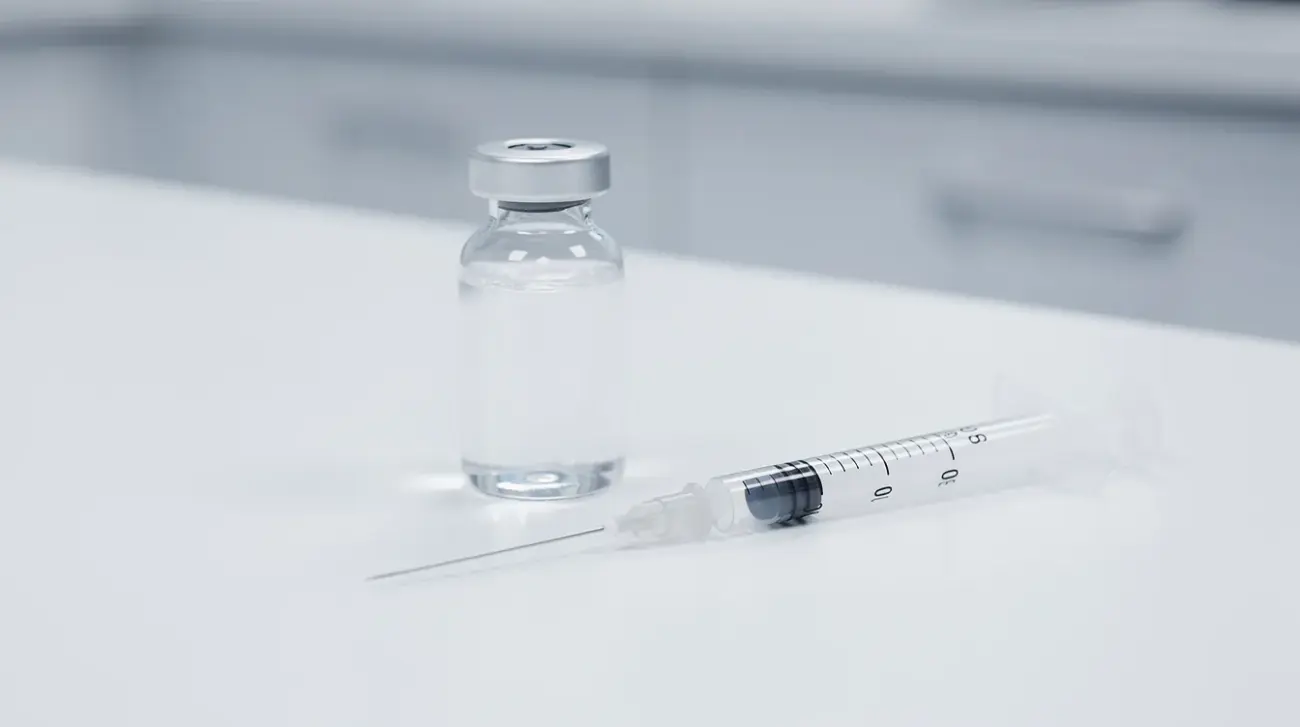
Sermorelin is typically administered as a nightly subcutaneous injection – a small needle inserted into the fatty tissue just under the skin, using an insulin-style syringe. The injection route and technique are similar to what diabetic patients use daily for insulin.
Common injection sites include the lower abdomen (away from the navel), outer thigh, or back of the upper arm. Patients should rotate injection sites across the abdomen, thigh, and upper arm to reduce irritation or lipodystrophy over time. Proper injection technique – cleaning the site, pinching a fold of skin, inserting at the correct angle, injecting slowly – is covered during or shortly after your telehealth visit.
Injection Timing
Timing matters. Most protocols schedule injections in the evening, roughly 30 to 60 minutes before bedtime on an otherwise empty stomach. Sermorelin injections are usually given on an empty stomach because food – particularly fats and carbohydrates – can blunt the GH response. This timing aligns with the body’s largest natural GH pulse during early deep sleep, so that sermorelin works in concert with your own physiology rather than against it.
Dosing and Monitoring
A typical course of sermorelin therapy involves daily or near-daily injections over several months, with periodic clinician check-ins to review symptoms and, where appropriate, lab values like IGF-1. Your clinician will determine the appropriate dose based on your patient’s age, weight, baseline labs, and goals.
If you are comfortable with self-administered vitamin B12 or insulin injections, sermorelin self-injection at home is a straightforward transition. Subcutaneous injection has the most clinical experience and predictable absorption for sermorelin specifically – oral or nasal formats lack equivalent data.
From Online Consult to First Dose: What to Expect With Provn’s Program
The process at Provn RX follows a structured clinical pathway:
Online intake. You complete a health questionnaire covering your medical history, current medications, family history, and wellness goals – sleep, recovery, body composition, energy.
Clinician visit. A licensed clinician reviews your intake via video consultation. They assess whether compounded sermorelin is appropriate given your health profile, and discuss expectations, risks, and monitoring.
Baseline labs. Where clinically indicated, your clinician may order labs – commonly IGF-1, fasting glucose, a basic metabolic panel, and thyroid function markers – to provide context on GH levels, metabolic health, and thyroid hormone status. Lab panels are individualized, not one-size-fits-all.
Dosing determination. The clinician selects a starting dose based on your age, weight, baseline labs, and goals, then adjusts over time depending on tolerance, subjective response, and follow-up lab values.
Pharmacy and shipping. Once prescribed, the order goes to a US-based compounding pharmacy, which prepares compounded sermorelin acetate and ships it directly to you with needles, syringes, alcohol swabs, and printed instructions.
Storage: Sermorelin vials should be refrigerated upon arrival, protected from light, and not frozen. Your pharmacy will specify how long the reconstituted solution remains stable – typically a set number of days that varies by formulation.
For details on Sermorelin injection therapy including current plans and pricing, visit the product page.
Who Might Consider Sermorelin for Wellness and Healthy Aging?
Candidacy for sermorelin centers on wellness, not disease treatment. The adults who tend to benefit most from exploring this therapy share a few characteristics:
They are generally between 35 and 60, in good overall health, and noticing age-consistent changes in recovery, sleep quality, energy, or body composition.
They have already invested in fundamentals – nutrition, strength training, sleep hygiene, stress management – and are looking for an evidence-informed addition, not a shortcut.
They may be recreational athletes whose muscle recovery between sessions feels slower, professionals with solid sleep routines but persistent non-restorative sleep, or individuals who have plateaued in body composition despite consistent effort.
Sermorelin peptide therapy is not a weight-loss drug, a performance-enhancing drug for competition, or a substitute for exercise and nutrition. It is an adjunct for people pursuing a comprehensive healthy-aging plan who want to increase vitality through targeted GH-axis support.
Some patients choose sermorelin specifically because they prefer a signaling therapy over other hormone therapies – they are not candidates for or not interested in testosterone replacement, and they want to avoid direct HGH injections.
Formal screening by a healthcare professional is required before starting. Past medical history (including any cancer history), current medications, family history, and baseline labs all inform candidacy and whether the benefits outweigh risks. Even with ideal candidacy, responses to sermorelin vary – some people report clear improvements, while others notice more modest effects.
Potential Benefits: What Sermorelin May Support (and What It Doesn’t)
Sermorelin is not approved by the FDA for anti-aging or wellness indications. Adult wellness outcomes draw on smaller studies, indirect evidence about GH physiology, and patient-reported experience. Sermorelin’s role in healthy aging and muscle gain lacks strong clinical evidence from large randomized controlled trials in healthy adults.
That said, the physiologic plausibility is real. GH and IGF-1 participate in protein synthesis, tissue repair, lipid metabolism, and metabolic balance. Supporting endogenous growth hormone secretion through a GHRH analog like sermorelin may influence several wellness domains:
Sleep Quality
Some patients report better sleep quality within the first few weeks of starting sermorelin – often among the earliest changes noticed.
Energy and Cognition
Some patients report improved energy and mental stamina within a few weeks, though this varies by individual.
Exercise Recovery
Some patients report reduced soreness and faster recovery between workouts after several weeks of consistent use.
Body Composition
Over longer periods (typically 3 to 6 months), sermorelin may support shifts in lean mass and fat distribution when combined with resistance training and proper nutrition.
Vitality and Aging
Some patients report improvements in skin quality and mood over time, though outcomes vary widely between individuals.
“No change” is a possible result.
For those exploring a broader longevity approach, some patients discuss combining sermorelin with other tools like NAD+ injections for cellular-energy support, or future antioxidant options. Each therapy has its own risk-benefit profile and must be evaluated separately.
Safety, Side Effects, and Who Should Not Use Sermorelin
Common Side Effects
Sermorelin is generally well tolerated when prescribed and monitored by a clinician, but any therapy influencing the growth hormone axis carries potential risks.
Common, mild side effects include:
-
Injection site reactions such as pain, redness, or swelling
-
Headache
-
Flushing
-
Dizziness (the most common systemic side effects)
-
A sense of heaviness or fatigue shortly after injection, which often lessens as the body adjusts
Serious Risks
Less common but more concerning issues requiring prompt medical attention:
-
Significant joint swelling or symptoms resembling carpal tunnel syndrome
-
Unexplained edema in hands or feet (fluid retention and joint aches can occur with high doses)
-
Persistent tingling or numbness
-
Marked increases in blood sugar in susceptible individuals, which may affect insulin resistance
-
Rare side effects include itching and trouble swallowing
-
Signs of allergic reaction (hives, difficulty breathing, throat tightness)
Sermorelin may increase the risk of certain cancers – elevated IGF-1 has epidemiologic associations with some malignancies, which is why IGF-1 levels are monitored and kept within age-appropriate reference ranges.
Contraindications
Major contraindications include:
-
Active cancer or undergoing cancer treatment
-
History of hormone-sensitive cancers unless cleared by oncology
-
Pregnancy or breastfeeding
-
Uncontrolled thyroid disease (untreated hypothyroidism blunts GH axis responsiveness)
-
Poorly managed diabetes (sermorelin may affect blood sugar and interact with diabetes medications)
-
Prior hypersensitivity to sermorelin or formulation components
Patients taking thyroid medications, corticosteroids, or drugs affecting insulin sensitivity should disclose these to their clinician, as they may alter sermorelin’s response or risk profile. Patients with a history of pituitary tumors or significant cardiovascular disease should discuss risks with their specialist.
As a reminder: compounded sermorelin is not FDA-approved, is not reviewed by the FDA for safety or effectiveness, and statements about potential benefits have not been evaluated by the FDA. Provn RX sources compounded sermorelin exclusively from US pharmacies that follow current compounding standards – quality control matters, as compounded peptide recalls have occurred in the industry.
How Sermorelin Injections Fit Alongside Lifestyle, Training, and Other Therapies
Sermorelin peptide therapy is typically most effective as a complement to foundational habits, not a replacement for them. Consistent resistance and aerobic training, adequate protein intake, quality sleep, and responsible stress management form the base. Sermorelin works on top of that base.
Concrete synergies look like this: a strength-training program three to four days per week plus sermorelin may better support lean mass over months than training alone. Improved sleep quality from optimized GH pulses may make adherence to morning workouts or meal prep easier. Better muscle recovery between sessions means you can train with more consistency.
Sermorelin is not a substitute for weight-management tools like nutrition planning or, for medically indicated patients, GLP-1 agonists and their side effects. But it may help support muscle retention and recovery in people who are actively losing weight and want to preserve lean body mass and bone density.
Consolidate care under as few prescribers as practical. Disclose all prescription hormones, over-the-counter supplements, and peptide therapy to every clinician involved. Overlapping or conflicting strategies – especially those affecting hormone balance – create unnecessary risk.
Set realistic, measurable goals with your clinician before starting: identify one to three trackable changes (sleep data, workout logs, waist measurements) to help evaluate whether sermorelin is contributing meaningfully over time.
Practical Tips for Learning to Inject Sermorelin at Home
Provn RX and our partner pharmacy provide detailed instructions – written steps and, where available, demonstration resources – so most patients feel comfortable self-injecting within their first week.
High-level technique guidance:
-
Wash hands thoroughly.
-
Prepare the vial and syringe as directed by your pharmacy.
-
Choose and clean the injection site with an alcohol swab.
-
Gently pinch a fold of skin at the site.
-
Insert the needle at the recommended angle and inject sermorelin slowly.
-
Withdraw, apply light pressure, and dispose of sharps in an approved container.
Maintain consistent timing from day to day – usually evening. Rotate injection sites to prevent irritation or lipodystrophy. Never share needles, syringes, or vials.
Storage and travel: Keep sermorelin refrigerated at home. For travel, use an insulated pack with a cold source. Avoid freezing or leaving the vial at room temperature beyond the pharmacy’s stability guidance.
For needle-averse readers: the needles used are typically very fine and short – closer to insulin needles than vaccination needles. Most people report only brief, mild discomfort.
Contact the clinic if you have questions about dose measurement, missed doses, changes in vial appearance (cloudiness, particles), or if you accidentally inject more or less than the prescribed dose.
Frequently Asked Questions About Sermorelin Injections
Does sermorelin really work for adults without diagnosed growth hormone deficiency?
Research in clearly GH-deficient adults shows reliable increases in GH and IGF-1. Data in generally healthy aging adults are more limited. Some patients report improvements in sleep, energy, and body composition, but responses vary and no results are guaranteed. Sermorelin works by supporting the pituitary’s ability to release growth hormone – if that system is reasonably intact, there is physiologic reason to expect a response, but the magnitude differs.
How long does it take to notice effects from sermorelin injections?
Patients who respond often notice sleep and next-day improved energy changes within a few weeks. Body composition or performance changes typically take three to six months of consistent use alongside training and nutrition.
Will my own growth hormone production shut down if I use sermorelin?
Sermorelin signals the pituitary to release its own GH rather than replacing GH directly. Current evidence and clinical experience suggest it does not suppress gh production the way long-term exogenous HGH can. GH axis activity generally returns to baseline after stopping therapy. Sermorelin helps maintain the pituitary’s natural feedback loop throughout treatment duration.
Is sermorelin legal, and is compounded sermorelin FDA-approved?
Sermorelin can be prescribed legally in the US by licensed clinicians. It is a prescription drug, not a controlled substance. However, the currently available compounded sermorelin products are not FDA-approved and are not reviewed by the FDA for safety or effectiveness. The original branded FDA-approved sermorelin (Geref) was discontinued for business reasons.
Is sermorelin the same as taking HGH or anabolic steroids?
No. Sermorelin is a GHRH analog that supports physiologic GH pulses – it stimulates the pituitary rather than supplying hormone directly. HGH is direct hormone replacement that can elevate HGH levels beyond the physiologic range. Anabolic steroids are synthetic derivatives of testosterone. None are interchangeable. Provn RX does not offer HGH or anabolic steroids.
How much does sermorelin cost, and does insurance cover it?
Cost varies by pharmacy, formulation, dosage, and treatment duration, and insurance rarely covers sermorelin therapy for wellness purposes. For current plans and pricing specific to Provn RX, visit the compounded Sermorelin product page.
Is Sermorelin Right for You? How to Decide Your Next Step
Sermorelin is a GHRH-analog peptide that signals the pituitary to release growth hormone, potentially supporting sleep, energy, recovery, and body composition as part of a broader healthy-aging plan. It is not a cure-all, not an FDA-approved anti-aging therapy, and not a substitute for the foundational work of training, nutrition, and sleep.
Before booking a consult, reflect on where you stand: Are your lifestyle foundations solid? What are your one or two main wellness goals? Are you comfortable with self-injection and ongoing medical supervision? Writing down your symptoms and tracking simple metrics – sleep logs, strength progress, waist measurements – ahead of time gives you and your clinician better data to work with.
Key safety points remain: thorough medical review is essential. Disclose any cancer history, all other hormone therapies and medications (including thyroid medications), and be prepared that not everyone will be a candidate. Metabolic health, thyroid function, and individual risk factors all inform the decision.
If you are ready for a personalized assessment, you can complete a brief questionnaire and schedule an online visit to discuss compounded sermorelin injection therapy with a licensed Provn RX clinician.
You can also review our compounded Sermorelin program details before your visit.
Choosing sermorelin is a collaborative decision between patient and clinician – grounded in your goals, your risk tolerance, and the best available evidence. The right next step is an honest conversation about what you are experiencing, what you have already tried, and whether sermorelin fits your broader plan for the years ahead.