Sildenafil and tadalafil are among the most widely prescribed treatments for erectile dysfunction, but they carry real risks when combined with certain drugs, foods, or health conditions. This guide is for patients considering or currently using sildenafil or tadalafil, as well as their caregivers. Understanding these interactions is crucial to avoid serious side effects and ensure safe, effective treatment. This guide covers important sildenafil drug interactions and tadalafil contraindications you should know—from nitrates and blood pressure medications to CYP3A4 inhibitors, alcohol, and emergency warning signs—so you can have an informed conversation with your healthcare provider.
Key takeaways: sildenafil, tadalafil & drug interactions
Before taking sildenafil or any PDE5 inhibitor, patients should provide complete medication lists to their healthcare provider.
Sildenafil (Viagra) and tadalafil (Cialis) are effective treatment options for erectile dysfunction, but they affect blood pressure and interact with a range of other medications.
Absolute “never combine” drugs:
Nitrates for chest pain or heart disease (nitroglycerin, isosorbide mononitrate/dinitrate)
Nitric oxide donors, including recreational “poppers” (amyl nitrite, butyl nitrite)
Riociguat and other guanylate cyclase stimulators used for pulmonary arterial hypertension
Medicines requiring caution and clinician monitoring:
Alpha blockers (doxazosin, tamsulosin, terazosin)
Blood pressure medications including ACE inhibitors, ARBs, calcium channel blockers, and beta blockers
Emergency: severe chest pain, symptoms of heart attack or stroke, priapism (painful erection lasting over 4 hours), sudden vision loss, sudden hearing loss, severe allergic reaction
If you take blood pressure drugs or have high blood pressure or a history of chest pain, these sildenafil interactions are especially important to understand. Never start, stop, or combine prescription medications—including ED pills—without a licensed clinician’s guidance.
How sildenafil and tadalafil work (and why interactions matter)
Sildenafil citrate and tadalafil are phosphodiesterase type 5 (PDE5) inhibitors used to treat erectile dysfunction.
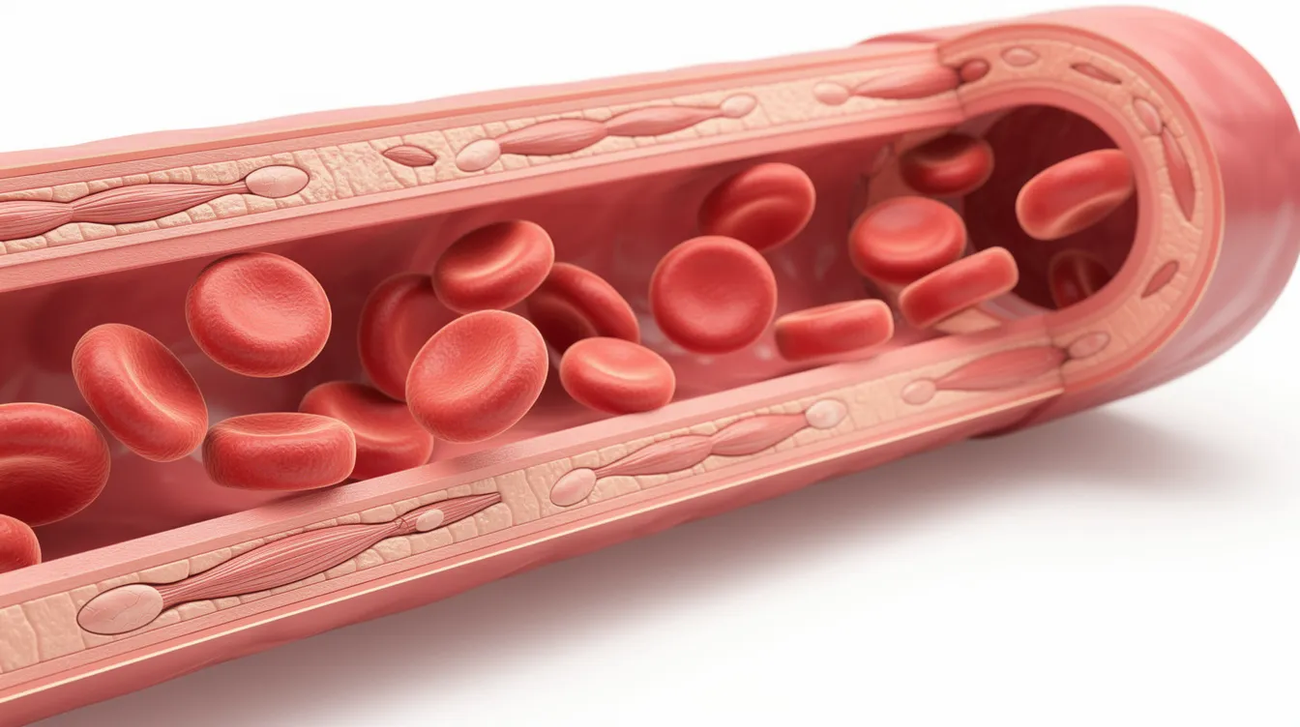
Here is how sildenafil works at a basic level: PDE5 inhibitors block the enzyme that breaks down cyclic GMP (cGMP) in smooth muscle cells. This increases nitric oxide–mediated relaxation of blood vessels in the penis, allowing improved blood flow and an erection during sexual stimulation.
Sildenafil is primarily metabolized by the CYP3A4 enzyme in the liver. Because they relax blood vessels throughout the body, these medications can modestly lower systemic blood pressure—a property that becomes clinically significant when combined with other vasodilators or blood pressure drugs. Drugs that inhibit or induce this enzyme can dramatically alter sildenafil levels in the bloodstream. The same applies to tadalafil. Grapefruit juice can increase sildenafil levels in the bloodstream through this same CYP3A4 pathway.
One critical difference: tadalafil has a half-life of roughly 17.5 hours compared to about 4 hours for sildenafil. Tadalafil has a longer duration of action than sildenafil, so some clinically relevant interaction considerations can persist for a longer period.
Provn offers clinician-guided ED treatment via telehealth, where licensed providers evaluate these interaction risks before any prescription is written.
Transitioning from how these medications work, let’s look at which drugs are absolutely contraindicated with sildenafil and tadalafil.
Absolute contraindications: drugs you must not combine with sildenafil or tadalafil
Certain drug combinations are classified as absolute contraindications per FDA prescribing information. These can cause a sudden, dangerous drop in blood pressure leading to fainting, stroke, or heart attack.
Nitrates for chest pain or heart disease: Nitroglycerin sublingual tablets and sprays, isosorbide dinitrate, isosorbide mononitrate, nitro patches, and nitro pastes. Sildenafil can cause low blood pressure when combined with nitrates—and the result can be severe or fatal hypotension. Sildenafil and nitrates can cause severe low blood pressure because both dilate blood vessels through the same nitric oxide pathway. Sildenafil is contraindicated with nitrates due to severe hypotension risk.
Nitric oxide donors, including “poppers”: Amyl nitrite and butyl nitrite, commonly used recreationally, function as nitrate analogs and carry the same risk.
Guanylate cyclase stimulators: Riociguat, used for pulmonary arterial hypertension and chronic thromboembolic pulmonary hypertension, acts on the same nitric oxide–cGMP pathway. Sildenafil should not be taken with guanylate cyclase stimulators.
If you use nitrates or may need emergency nitrates for chest pain, tell the clinician evaluating your ED treatment before taking sildenafil or tadalafil. Always tell every clinician—including ER staff—if you have taken sildenafil in the last 24 hours or tadalafil in the last 48 hours before receiving any nitrate medication.
Next, we’ll explain why these drug combinations are so dangerous and how they affect your body.
Nitrates, “poppers” and guanylate cyclase stimulators: why they’re dangerous with ED meds
These represent the most well-known and highest-risk sildenafil interactions.
Nitrates and nitric oxide donors widen blood vessels by increasing nitric oxide. PDE5 inhibitors amplify the same pathway by preventing the breakdown of cGMP. When both are active simultaneously, the combined vasodilation can cause extremely low blood pressure—potentially leading to loss of consciousness, heart attack, or stroke.
Common situations where nitrates are used to treat cardiovascular conditions include:
Chronic stable angina (daily isosorbide tablets)
Post–heart attack care (nitroglycerin patches or long-acting nitrates)
Certain heart failure regimens
Sublingual nitroglycerin for sudden chest pain episodes
“Poppers” (amyl or butyl nitrite) are recreational drugs that act pharmacologically like nitrates, even though they are not prescription medications. They can trigger life-threatening hypotension when combined with sildenafil or tadalafil.
Guanylate cyclase stimulators like riociguat work on the same nitric oxide–cGMP pathway. Per riociguat’s FDA labeling, combining them with PDE5 inhibitors is contraindicated. Discontinuation windows of at least 24 hours after sildenafil and 48 hours after tadalafil must elapse before starting riociguat.
If you develop chest pain during sex after taking an ED pill, do not take nitrates on your own. Seek urgent medical attention and tell responders exactly which ED medication you took and when.
Understanding these risks, let’s move on to how sildenafil and tadalafil interact with blood pressure medications and what you should discuss with your doctor.
Blood pressure medications, alpha blockers & beta blockers: interaction with sildenafil and tadalafil
Many patients with erectile dysfunction also have high blood pressure and take antihypertensive medications. These drug interactions are common and require clinician oversight. Consult a doctor before using sildenafil with blood pressure medications.
Most blood pressure drugs can have additive blood pressure–lowering effects with PDE5 inhibitors:
ACE inhibitors (lisinopril, enalapril) and ARBs (losartan, valsartan): generally manageable but can affect blood pressure more than expected
Calcium channel blockers (amlodipine, diltiazem): additive vasodilation possible
Beta blockers (metoprolol, atenolol): can contribute to erectile dysfunction themselves, but combining with PDE5 inhibitors is not usually prohibited—this should be evaluated by a prescriber
Diuretics (hydrochlorothiazide, furosemide): can contribute to low blood pressure risk
Antihypertensive medications may compound the blood pressure–lowering effect of sildenafil. Alpha blockers prescribed to treat high blood pressure or enlarged prostate (doxazosin, terazosin, tamsulosin) carry the strongest risk for symptomatic hypotension. Sildenafil and alpha blockers can lead to lightheadedness or fainting. Combining sildenafil with alpha blockers can cause lightheadedness, dizziness, or syncope, especially when therapy is initiated.
Blood pressure should be stable and controlled before adding sildenafil or tadalafil
Clinicians may use a lower starting dose when sildenafil or tadalafil is prescribed alongside an alpha blocker, depending on the medication and individual circumstances.
People should stand up slowly and watch for dizziness, palpitations, or near-fainting, particularly when starting or changing doses
Blood pressure drugs and blood pressure medications should be reviewed at every visit so prescribers can assess how PDE5 inhibitors may affect blood pressure
Now that you know about blood pressure medication interactions, let’s examine how other drugs, especially those affecting liver enzymes, can impact sildenafil and tadalafil safety.
CYP3A4 interactions: antifungals, HIV protease inhibitors & other strong inhibitors
Strong CYP3A4 inhibitors increase sildenafil levels and risk of side effects like headaches and flushing—sometimes dramatically.
Key strong CYP3A4 inhibitors include:
HIV protease inhibitors: ritonavir, saquinavir, lopinavir/ritonavir, atazanavir. Combining sildenafil with HIV protease inhibitors increases sildenafil levels substantially. Co-administration of ritonavir with sildenafil raises the area under the curve (AUC) approximately 11-fold, which means the body is exposed to far more drug than intended. Sildenafil can interact with HIV protease inhibitors, increasing side effects such as severe hypotension and visual disturbances.
Oral antifungal drugs: ketoconazole, itraconazole, posaconazole, voriconazole. Sildenafil can interact with antifungal medications like ketoconazole, and antifungal medications can raise sildenafil levels, increasing side effects.
Other strong inhibitors: cobicistat, some hepatitis C antivirals
With these drugs, clinicians may adjust the PDE5 inhibitor dose or dosing frequency depending on the specific interaction. For example, HIV ART guidelines recommend sildenafil 25 mg no more than every 48 hours when taken with ritonavir-boosted regimens.
CYP3A4 inducers—such as rifampin, carbamazepine, phenytoin, and St. John’s wort—can make ED medications less effective by speeding drug clearance from the body.
Never change doses of either your HIV, antifungal, or ED medication without guidance from your treating clinician. Always provide your full medication list to Provn or any prescriber before receiving ED treatment.
Next, let’s discuss how alcohol, recreational drugs, and supplements can interact with sildenafil and tadalafil.
Alcohol, recreational drugs & supplements with sildenafil or tadalafil
Alcohol and Sildenafil
Drinking alcohol can increase sildenafil side effects like dizziness and flushing. Moderate consumption may be tolerable for some patients, but heavy drinking increases sildenafil side effects and can worsen hypotension.
Drinking alcohol can also reduce sildenafil’s effectiveness, partly because too much alcohol itself causes erectile dysfunction.
Moderation in alcohol consumption is advised when using sildenafil. Drinking too much alcohol not only undermines the treatment but raises cardiovascular risk during sexual activity.
Recreational Drugs
“Poppers” are nitrate analogs and an absolute contraindication—never combine them with any PDE5 inhibitor
Supplements and Herbs
Some products marketed as “natural” sexual-enhancement supplements have been found to contain undeclared PDE5-inhibitor ingredients, creating unexpected interaction risks.
Tell your clinician if you drink alcohol, use recreational drugs, or take any vitamins, herbal supplements, or foods known to affect drug metabolism before starting ED treatment.
Now that you know about lifestyle and supplement interactions, let’s look at what happens if you combine different ED medications.
Combining ED medications: sildenafil, tadalafil & other PDE5 inhibitors
Sildenafil and tadalafil are both PDE5 inhibitors that work through the same pathway. Sildenafil should not be combined with other phosphodiesterase-5 inhibitors unless specifically prescribed by a clinician, because combining PDE5 inhibitors may increase blood pressure–lowering effects and other adverse effects.
Taking more than one PDE5 inhibitor simultaneously or overlapping doses can:
Overly lower blood pressure, potentially causing a dangerous drop
Increase the risk of serious side effects including priapism
Lead to unpredictable drug exposure, especially given different half-lives
Patients should not combine separate ED medications or change their prescribed regimen on their own. Provn offers clinician-prescribed compounded combination treatments, including a Sildenafil + Tadalafil tablet and Sildenafil + Tadalafil + Oxytocin. Whether either treatment is appropriate requires review of medical history, current medications, cardiovascular considerations, and individual risk factors by a licensed clinician.
Compounded medications available through Provn are prepared by state-licensed compounding pharmacies and are not FDA-approved. A licensed clinician providing care through Provn determines whether a prescribed ED treatment is medically appropriate based on the patient’s health history and current medications.
Next, let’s review which medical conditions require extra caution or a cardiology evaluation before starting ED treatment.
Medical conditions requiring caution or cardiology evaluation before ED treatment
Cardiovascular Conditions
Certain heart and vascular health conditions make sexual activity and PDE5 inhibitors higher risk. An evaluation—whether in-person or via telehealth—is essential before any prescription.
Cardiovascular conditions that usually need careful review:
Recent heart attack or stroke (typically within the last 6 months)
Unstable angina or chest pain at rest
Uncontrolled hypertension or very low blood pressure
Severe heart failure, serious arrhythmias, or hypertrophic cardiomyopathy
Significant valvular disease or severe aortic stenosis
Other Important Conditions
Severe liver disease or end-stage kidney disease, which change drug clearance and can lead to dangerously elevated drug levels
Rare inherited eye disorders such as retinitis pigmentosa, due to theoretical retinal risk from PDE6 cross-reactivity
Structural penile abnormalities (Peyronie’s disease) and conditions predisposing to priapism, including sickle cell anemia, multiple myeloma, and leukemia
Physical Activity Considerations
Individuals who cannot safely perform moderate physical activity—such as climbing two flights of stairs without symptoms—may require cardiology evaluation before starting ED treatment. Clinicians providing care through Provn ask detailed questions about cardiovascular and medical history during ED evaluations and may recommend in-person follow-up or cardiology referral when needed.
Now that you know which conditions require extra caution, let’s discuss how to recognize side effects and when to seek emergency care.
Common side effects vs. serious warning signs (when to seek emergency care)
Most side effects from sildenafil and tadalafil are mild and resolve on their own. Recognizing the difference between expected symptoms and emergencies can be life-saving.
Common side effects:
Headache, facial flushing, nasal congestion
Indigestion, mild nausea, or reflux
Mild dizziness or a temporary drop in blood pressure, especially when standing
Back pain and muscle aches (more common with tadalafil)
Serious warning signs requiring immediate medical attention:
Chest pain, pressure, or discomfort during sex—especially if similar to previous angina or heart attack symptoms
Symptoms of heart attack: pain spreading to arm, neck, or jaw; shortness of breath; sweating; nausea
Symptoms of stroke: sudden weakness on one side of the body, difficulty speaking, facial drooping
Sudden vision loss or serious visual disturbance in one or both eyes
Sudden ringing in the ears, hearing loss, or severe dizziness
Signs of a severe allergic reaction: swelling of lips, tongue or throat; trouble breathing; widespread hives
Priapism:
A painful erection lasting more than 4 hours that does not subside is a medical emergency. Priapism can cause permanent damage to the penis if not treated urgently in an emergency department. Anyone experiencing a prolonged, painful erection after taking sildenafil or tadalafil should seek immediate care and tell staff which medication and dose was used.
These serious side effects are rare but important to recognize. When in doubt, call 911.
Let’s now cover special topics like vision changes, hearing changes, and allergic reactions.
Special topics: vision changes, hearing changes & allergic reactions
Sudden sensory changes are uncommon but specifically called out in FDA warnings for PDE5 inhibitors.
Vision
Mild, transient visual effects—a bluish tint, increased light sensitivity, or slight blurring—can occur with sildenafil due to cross-reactivity with PDE6 in retinal cells. These are distinct from sudden, severe vision loss in one eye, which may represent non-arteritic anterior ischemic optic neuropathy (NAION). NAION is rare, and observational studies have reported an association between PDE5 inhibitor use and NAION, although these data do not establish that sildenafil directly causes the condition. Any sudden vision loss requires emergency evaluation.
Hearing
Reports of sudden hearing decrease or loss, often with tinnitus or dizziness, have been described after PDE5 inhibitor use. If this occurs, stop taking the medication immediately and seek medical attention.
Allergic Reactions
Mild reactions may include rash, itching, or localized swelling. Signs of anaphylaxis—difficulty breathing, tongue or throat swelling, severe hives, or a feeling of impending doom—are medical emergencies. Anyone who has had a known allergic reaction to sildenafil, tadalafil, or tablet excipients should avoid re-exposure and discuss alternative ED options with a clinician.
Next, let’s look at practical steps you can take to avoid dangerous drug interactions in everyday life.
How to avoid sildenafil and tadalafil drug interactions in everyday life
Practical Prevention Strategies
Always provide a complete, up-to-date list of all prescription medications, over-the-counter drugs, vitamins, supplements, and recreational substances to every healthcare professional you see
Tell your ED prescriber about any health history involving heart attack, stroke, chest pain, high blood pressure, low blood pressure, or eye disease
Read the Medication Guide and patient information leaflet that accompany each prescription—the list of contraindicated drugs is there for a reason
Behaviors to Avoid
Do not take someone else’s ED pills or buy unknown products online or in gas stations—they may contain hidden PDE5 inhibitors
Do not increase your dose, add a second ED medication, or change timing relative to blood pressure medications without consulting a clinician
Do not assume “natural” means safe or interaction-free
Eating a large meal before sildenafil can slow its onset, and high-fat meals can delay sildenafil’s effectiveness. Sildenafil can be taken with or without food, although a high-fat meal may delay how quickly it begins working.
Consider keeping a wallet card or phone note listing your ED medication name, dose, and approximate time of last use. This information can be critical for emergency clinicians if you ever need urgent care.
Platforms like Provn use structured intake forms to capture medication lists and health conditions and may recommend in-person care instead of prescribing if red flags appear during review.
Now, let’s see how Provn supports safe ED treatment decisions.
How Provn supports safe ED treatment decisions
Provn is a U.S.-based telehealth platform focused on evidence-based care for erectile dysfunction and related men’s sexual wellness. A prescribed ED treatment is only provided when a licensed clinician determines it is medically appropriate after reviewing each patient’s individual circumstances.
Clinicians providing care through Provn review relevant medical history, current medications, and cardiovascular considerations before determining whether prescription ED treatment is appropriate. This is particularly important for patients taking nitrates, blood-pressure medications, alpha blockers, CYP3A4-interacting medications, or other ED treatments. If telehealth treatment is not appropriate, additional or in-person evaluation may be recommended.
For a broader overview of oral ED pills beyond safety, see Provn’s oral ED medication guide comparing sildenafil vs tadalafil and other options. You can also explore the Sexual Wellness treatment category for related services, or visit individual pages for sildenafil, tadalafil, and combination therapies—all with clear notes that compounded options are not FDA-approved and are only dispensed if a clinician finds them appropriate.
If you’re concerned about a sildenafil drug interaction, tadalafil contraindication, or how your current medications may affect your ED treatment, the most important step is speaking with a licensed clinician. Whether through Provn or your local doctor, a thorough review of your medications, blood pressure, and heart health should always come before your first dose.