Searches for “porn induced ED,” “does porn cause erectile dysfunction,” and “PIED” have surged over the past decade, mostly from men in their 20s and 30s trying to make sense of a frustrating pattern: erections work fine with pornography but fail with a real partner. This article breaks down what the research actually says, where the science is still uncertain, and what treatment options exist for men dealing with this.
This article is for men experiencing erectile difficulties they suspect may be related to pornography use, as well as their partners and anyone interested in the science behind PIED.
Quick answer: Does porn cause erectile dysfunction?
Here is the short version before we get into the data:
- “Porn-induced erectile dysfunction” (PIED) is a widely used term, but it is not an official medical diagnosis in the Diagnostic and Statistical Manual of Mental Disorders (DSM-5) or ICD-11.
- Porn-induced erectile dysfunction (PIED) refers to difficulty achieving or maintaining an erection during partnered sex, despite normal erectile function during solo masturbation with pornography. This phenomenon has been increasingly reported by young men under 40.
- Current research shows an association between problematic pornography use and erectile dysfunction, but does not prove that watching porn directly causes ED in every user.
- Between 50% and 70% of adult men consume pornography. Most do not develop erectile problems. The concern centers on problematic use – meaning distress, loss of control, or negative relationship impact – not simple frequency.
- Young men reporting ED with partners but not with porn or masturbation are common in survey and clinical data. Psychological factors can contribute to erectile dysfunction regardless of pornography use.
- ED linked to psychological causes (including performance anxiety and arousal mismatch) is usually manageable. Psychological ED is often manageable, and many men see improvement with appropriate medical and psychological support.
- Provn offers prescription oral ED medications online, including a combination option with oxytocin that may help bridge physical function and emotional connection. More on that below.
Introduction: Why so many young men are asking about porn-induced ED
Streaming internet pornography became widely accessible in the mid-2000s. Within a decade, clinical reports and surveys started documenting a noticeable uptick in sexual difficulties among younger men – a group that historically reported very low rates of ED. The average age of first exposure to pornography is around 13, meaning that today’s 25- or 30-year-old may have over a decade of regular online pornography consumption behind him.
The central question is whether pornography itself is the root cause of erectile dysfunction, or whether the real story involves a more complex mix of performance anxiety, arousal and intimacy issues, mental health, and shifting expectations about sex.
Provn (ProvnRX) is a US-based telehealth platform that provides oral ED medications and combination therapy. This article is not a moral argument about pornography. It is a review of what peer-reviewed research actually shows about pornography and sexual function, what arousal mismatch means, and which treatment approaches address both the physical and emotional sides of your sex life.
The rise of erectile dysfunction in young men
Millions of men in the US experience erectile dysfunction, and the demographics are shifting. Earlier epidemiologic studies from roughly 1999–2002 estimated ED prevalence in men under 40 at about 2–5%. Today, the numbers look different.
In a large international web-based survey published in JMIR Public Health and Surveillance, Jacobs, Geysemans, Van Hal, and colleagues found that 21.48% of sexually active men aged 18–35 had some degree of ED. Other modern surveys report rates of 20–30% in young men.
Key context for these numbers:
- This increase occurred during the same years that high-speed internet pornography became ubiquitous.
- Young men are increasingly experiencing erectile dysfunction, and pornography is one commonly cited factor.
- However, correlation in time does not prove causation. Many other risk factors also changed: stress levels, sedentary lifestyle, recreational drugs, alcohol use, mental health issues, and expectations about sexual performance all shifted over the same period.
What the research actually says about pornography and erectile dysfunction
The Jacobs et al. 2021 study is one of the most detailed examinations of this topic. It used multivariate analysis based on an international web based survey of 3,419 men aged 18–35 (2,067 sexually active with penetrative sex attempts analyzed). Researchers measured problematic pornography consumption (PPC) using the Cyber Pornography Addiction Test (CYPAT) and erectile function via the IIEF-5.
Here is what they found:
- 21.48% of sexually active participants had some degree of sexual dysfunction related to erections.
- Higher CYPAT scores – indicating more serious problematic use – were associated with greater ED probability: odds ratio of 1.06 per CYPAT point (95% CI 1.03–1.08).
- ED prevalence climbed across CYPAT quartiles: roughly 12.9% in the lowest quartile versus 34.5% in the highest.
- Men who found online pornography more arousing than real life sex had about 2.34 times higher odds of ED.
- Masturbation frequency was not significantly associated with ED. Raw frequency of porn use alone was also not a significant predictor in multivariate models.
The authors explicitly state these are associations, not proof that pornography causes erectile dysfunction.
Grubbs and Gola (2019) reinforced this distinction: they found little or no evidence linking simple pornography use to ED, but consistent evidence that self-reported problematic use – what some call perceived addiction – is associated with higher ED risk. Compulsive pornography use may be associated with sexual difficulties in some individuals, but the relationship is not straightforward.
On terminology: porn addiction and sex addiction are not recognized diagnoses in the Diagnostic and Statistical Manual (DSM-5). However, ICD-11 does include Compulsive Sexual Behavior Disorder (CSBD) as an impulse control disorder – which can involve problematic pornography use but requires loss of control, distress, and impairment over at least six months. Distress based solely on moral disapproval does not qualify.
How pornography may affect arousal: leading hypotheses (not proven facts)
The mechanisms behind porn-related ED remain theoretical. No study has definitively demonstrated that pornography “rewires” the brain in a way that causes erectile dysfunction. But several plausible hypotheses have emerged from clinical observations and self-report data.
The first is the idea of supernormal stimuli. Online pornography delivers endless novelty, extreme content, and high-intensity visual sexual stimulation that real life sexual experiences typically cannot match. Some research suggests pornography use may influence arousal thresholds over time, and neuroimaging studies have examined its effects on brain regions involved in pleasure and reward — though findings are mixed and the clinical significance is debated. Over repeated exposure, some men may need increasingly specific categories or longer sessions to feel aroused at the same level.
The second hypothesis involves conditioned arousal. When sexual arousal becomes tightly linked to specific devices, positions, or viewing habits, those cues may be absent during partnered sex. Some researchers hypothesize that heavy porn use may condition arousal patterns toward specific contexts that don’t match partnered sex — though this remains a hypothesis rather than proven mechanism.
Third, excessive pornography consumption can lead to reduced libido. Frequent porn consumption may reduce libido in young men by creating a cycle where the easiest, most intense sexual stimulation is always a click away, reducing the drive toward real intimacy. Excessive porn use can lower sexual satisfaction, contributing to a widening gap between screen-based and partner-based arousal.
These are hypotheses – derived from self-reports, clinical impressions, and analogies to other behavioral patterns. They are not settled science, and language like “may influence how your brain prioritizes certain types of sexual cues” is more accurate than claiming porn rewires your brain.
The arousal mismatch problem: when porn is more exciting than partnered sex
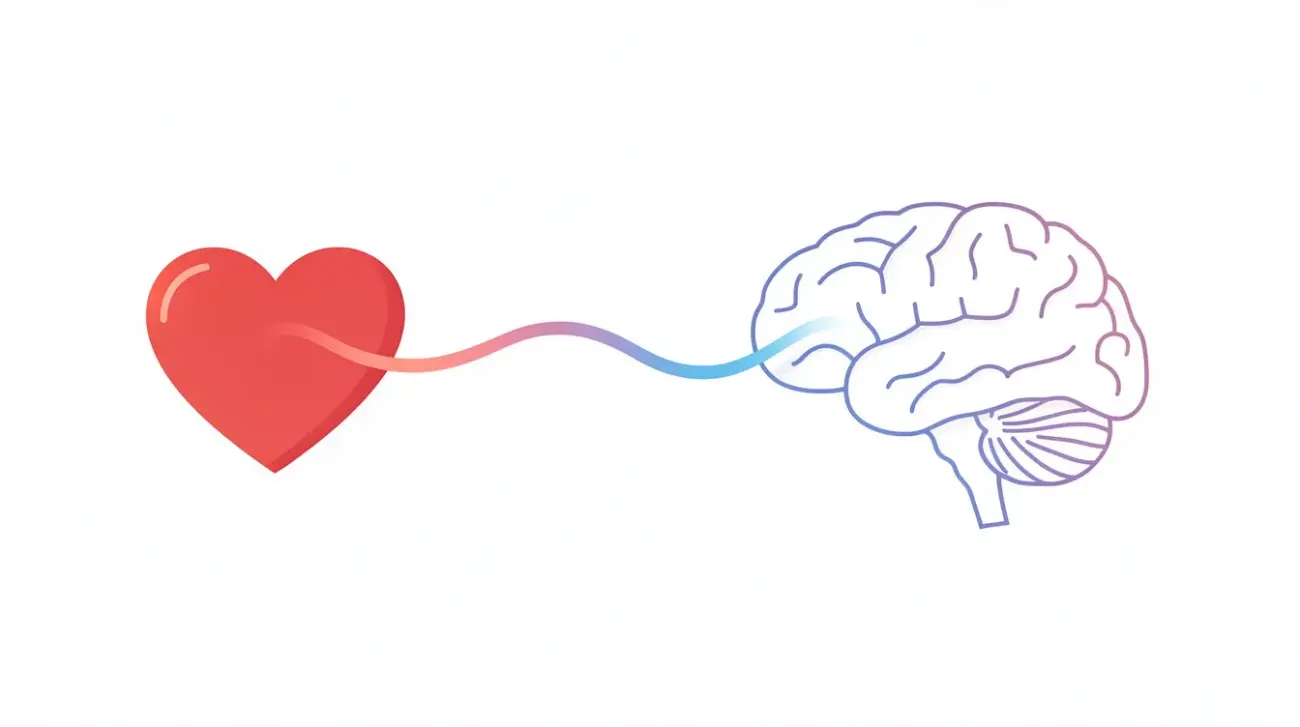
This is the core insight of the research. Arousal mismatch refers to a gap between what your body responds to most strongly – often certain online porn scenarios – and what is available during real life sex with a partner.
The Jacobs et al. data quantify this directly: men who reported that porn is more arousing than sex with a partner had roughly 2.34 times higher odds of ED, even after adjusting for confounders. Desensitization to real-life sex can result from excessive consumption of pornography over long periods.
In practice, arousal mismatch looks like this:
- You can get and keep an erection during solo porn use with no difficulty.
- You lose your erection or struggle to get hard with a partner during partnered sex.
- You feel more excitement anticipating porn than anticipating actual sex or intimacy.
- You feel mentally distant or “out of the moment” during sex, even when physically present.
Performance anxiety layers on top of this. Performance anxiety can arise from comparing oneself to porn stars, worrying about your own body or sexual performance, or fearing you will lose your erection. That fear itself can cause or worsen ED – the classic anxiety-arousal feedback loop. Low self esteem tied to these comparisons amplifies the problem.
The pattern is less “porn broke your penis” and more that your physical response and your emotional or relational arousal are no longer in sync during partnered sex. Pornography plays a role in shaping arousal patterns, but the disconnection has both physiological and psychological dimensions.
Why standalone ED pills may not fully solve arousal-mismatch ED
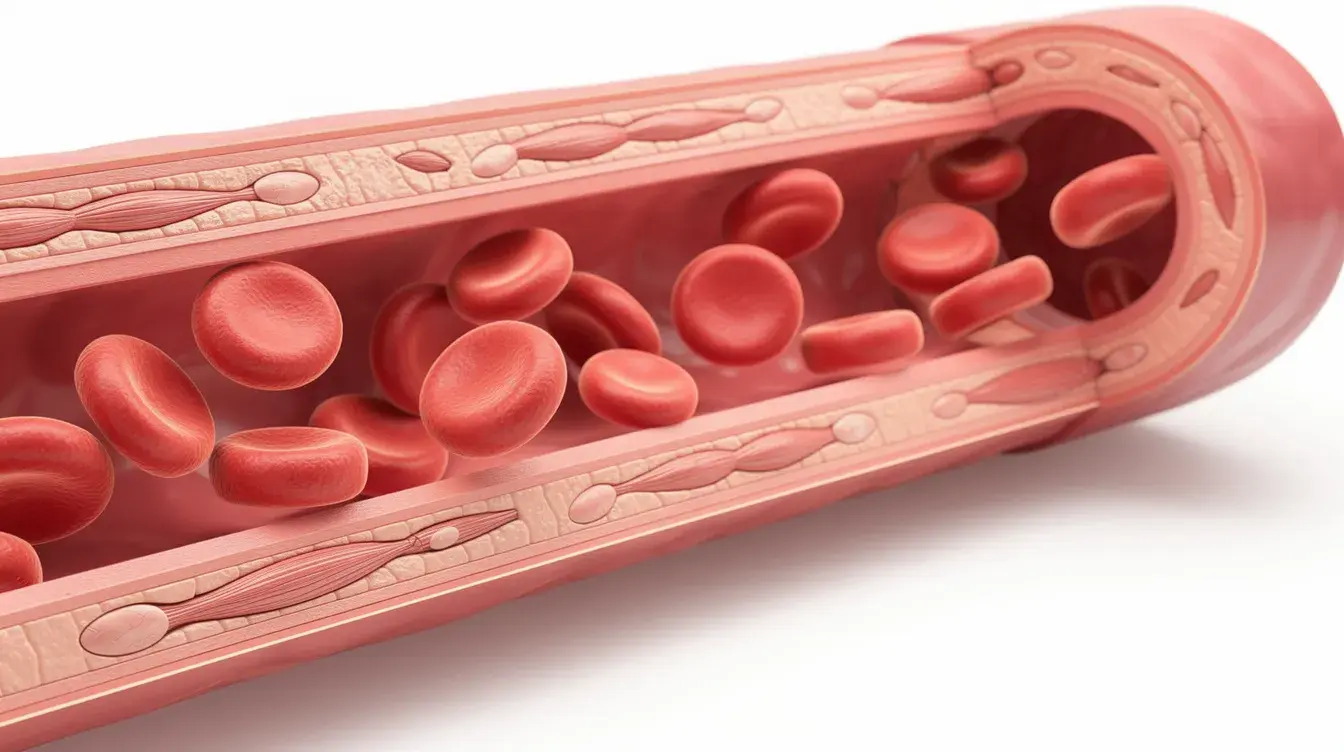
Standard oral ED medications like sildenafil and tadalafil work by enhancing blood flow to the penis in response to sexual stimulation. They address the vascular mechanics of erection. They do not create sexual desire, reduce anxiety, or build emotional connection by themselves.
For many men with vascular or mixed-origin ED, standalone PDE5 inhibitors are highly effective and remain first-line treatment. You can compare all oral ED medication options to understand how they differ.
But for arousal-mismatch ED, there is a limitation: if you are not mentally or emotionally turned on with a partner, extra blood flow may not fully resolve the difficulty. If anxiety, shame, or disconnection dominate your experience, you might still struggle even with medication. This does not mean sildenafil or tadalafil “don’t work” – they reliably support erectile function. It means they target only the physical side of the erection process.
A more complete approach to intimacy may include physical support for blood flow alongside support for emotional connection and relational arousal.
The role of oxytocin in intimacy, bonding, and sexual connection
Oxytocin is a hormone involved in social bonding, trust, closeness, and affiliative behavior. It is naturally released during physical touch, orgasm, and nurturing contact. Research in sexual medicine has examined its role in relationships and intimacy.
Research has examined oxytocin’s role in new romantic relationships and its associations with bonding behaviors, though clinical applications for sexual dysfunction remain an area of ongoing study. Other research links higher oxytocin levels to stronger perceptions of love, partner responsiveness, and reduced social anxiety.
How does this connect to arousal and intimacy issues? Sexual satisfaction is not only about erection hardness or penile sensitivity – it also involves feeling emotionally safe, present, and engaged. For men who spend most sexual energy in solo, screen-based contexts, the bonding side of sex may be under-activated during partnered encounters.
Oxytocin is not a cure for pornography-related sexual problems and does not “reverse” anything. Think of it as a hormone that supports the emotional and relational dimension of sexual activity – it may help you feel aroused by closeness and connection, not just visual stimulation.
Provn+ Fusion: a more complete approach to ED and intimacy
Provn+ Fusion is Provn’s flagship combination oral ED medication – a single orally disintegrating tablet containing Sildenafil 50mg, Tadalafil 20mg, and Oxytocin 125 IU. Pricing starts from $41/month on a 3-month plan, or $48/month.
The concept is triple-action:
Sildenafil supports fast-acting improvement in erectile blood flow.
Tadalafil supports extended duration of erectile responsiveness.
The oxytocin component is included to support the relational dimension of intimacy alongside the physical mechanism of the PDE5 inhibitors.
For men whose ED involves both physical and emotional or relational factors – the arousal mismatch pattern described above – Provn+ Fusion offers a way to address blood-flow mechanics and support the bonding side of sex in one prescription. It is a more complete approach to intimacy that may help bridge the gap between physical response and emotional arousal.
Provn+ Fusion is not approved specifically for “porn addiction,” “PIED,” or CSBD. It is not a cure for porn-related ED. It is an ED medication that also supports the emotional dimension of intimacy.
If your sexual problems include both difficulty maintaining erections and a sense of emotional disconnection during partnered sex, this combination may be worth discussing with a healthcare provider.
Other Provn ED options: when a simpler medication may be enough
Not everyone needs or wants combination therapy with oxytocin. Many men do well on standard oral ED medications:
Which medication is appropriate depends on your health history, other medications, lifestyle choices, and the specific pattern of your erectile issues. A licensed provider will evaluate what fits. You can also review the full oral ED medication options guide to understand the differences.
How to approach possible porn-related ED: practical steps
Start with honest self-assessment. Ask yourself:
Are erections easier with porn than with a partner?
Does pornography use feel out of control, or is it causing distress, relationship conflict, or performance anxiety?
Do you feel you need excessive use or increasingly specific content to feel aroused?
Address mental health factors directly. Depression, anxiety, stress, and negative body image all contribute to ED independently of porn use. Mental disorders and mental health issues deserve professional support – discussing them with a sex therapist or mental health professional is valuable, especially if porn use feels compulsive. Therapy can effectively address psychological factors contributing to ED, and cognitive behavioral strategies can help manage porn cravings.
Adjust sexual habits without treating it as a moral rule. Men who suspect their ED is related to problematic pornography use often benefit from a combination of reducing high-stimulation consumption, addressing underlying anxiety, and medical evaluation. Taking a break from pornography can improve erectile function, and some men report subjective improvement after reducing or eliminating high-stimulation porn consumption, though structured cessation programs have not been clinically validated as an ED treatment protocol. But evidence that quitting porn alone cures ED is lacking, and there is no standardized timeline for “how long porn induced ED lasts.” Excessive consumption patterns vary, and so do recovery experiences. Regular exercise improves blood flow and is critical for strong erections – a lifestyle factor that supports sexual function regardless of porn habits.
Communicate with your partner. Communicating with your partner can improve sexual experiences by reducing performance pressure and making space for real intimacy – touch, connection, pleasure. Honest, shame-free conversations about anxiety, expectations, and what helps you feel aroused during actual sex can indirectly improve erections and sexual satisfaction.
Porn cessation alone is not a recognized medical treatment protocol. Recovery usually involves some combination of medical support, psychological work, and relational adjustment – not rigid abstinence prescriptions.
When to talk to a provider (and what to expect from Provn)
Seek a medical evaluation if:
ED persists for more than a few months.
ED appears suddenly or is worsening over time.
You notice other symptoms like chest pain, shortness of breath, severe fatigue, or loss of libido.
You have risk factors for heart disease, diabetes, or other cardiovascular conditions.
ED can signal underlying health issues – cardiovascular disease, neurological problems, medication side effects, or hormonal imbalances. Ruling out physical causes is important regardless of how much pornography plays a role. Millions of men in the US experience erectile dysfunction, and many underlying causes are treatable.
A provider will typically ask about your medical history, current medications, lifestyle, the pattern of your erections (with porn versus partner, morning erections), your mental health history, stress levels, and relationship factors.
Provn is a US-based telehealth platform offering prescription oral ED medications, including combination therapies. Licensed clinicians review your online intake, may ask follow-up questions, and determine whether medication is clinically appropriate. Treatment for ED linked to problematic pornography use will usually involve both medical and psychological components – medications support physical function while professional support addresses underlying patterns.
Ready to take the first step? Start your confidential ED evaluation online.
FAQ: Pornography, ED, and treatment options
Does watching porn cause erectile dysfunction?
Research shows an association between problematic pornography use and ED, but does not prove that porn directly causes ED for everyone. Many men watch porn without any erection problems. The link is strongest when use feels compulsive or when porn is consistently more arousing than partnered sex.
What is PIED, and is it a real medical diagnosis?
PIED is an informal term for porn induced erectile dysfunction. It is not a recognized diagnosis in the DSM-5 (the statistical manual used in US psychiatry) or ICD-11. Clinicians instead evaluate ED alongside possible Compulsive Sexual Behavior Disorder (CSBD) or other mental health concerns.
How long does porn induced ED last?
There is no standard timeline supported by strong clinical data. Some men report improvement over weeks or months after addressing anxiety, relationship dynamics, and viewing pornography habits. Experiences vary widely and more research in public health settings is needed.
Will quitting porn cure my ED?
There is no solid clinical evidence that quitting porn alone reliably cures ED. Some men notice improvement after reducing excessive pornography use, but others need treatment for underlying medical or psychological causes. A healthcare provider can help sort this out.
Can porn cause ED in young men specifically?
Recent surveys show higher ED rates in young men than in past decades. Problematic pornography consumption is associated with greater ED risk in this group, but causation has not been proven. Stress, anxiety, heavy porn use, health conditions, and lifestyle all contribute. The negative effects of any single factor are hard to isolate.
Do ED medications work if my problem is porn-related or psychological?
PDE5 inhibitors like sildenafil and tadalafil help with the physical side of erections. If arousal mismatch or anxiety are central psychological causes, medications alone may not fully resolve the issue. Combination approaches that also support emotional connection – such as Provn+ Fusion with oxytocin – may be worth discussing with a provider.
Is porn addiction a recognized mental health disorder?
Pornography addiction is not an official DSM-5 diagnosis. However, ICD-11 includes Compulsive Sexual Behavior Disorder (CSBD), which can involve problematic pornography use and is classified as an impulse control disorder – not as an addiction in the formal sense.
How can I talk to a doctor about porn and ED without feeling judged?
Be honest about your patterns: compare erections with porn versus a partner, describe any distress or compulsive use, and mention relevant mental health history. Sexual health providers in sexual medicine are trained to discuss these topics without moral judgment. Provn’s telehealth model allows private, online consultation from home – no waiting room required.
The information in this article is for educational purposes only and does not constitute medical advice. Always consult with a licensed healthcare provider about your specific situation. The relationship between pornography use and erectile dysfunction remains an active area of research, and individual experiences vary considerably.